What Is Multidrop Courier Work?
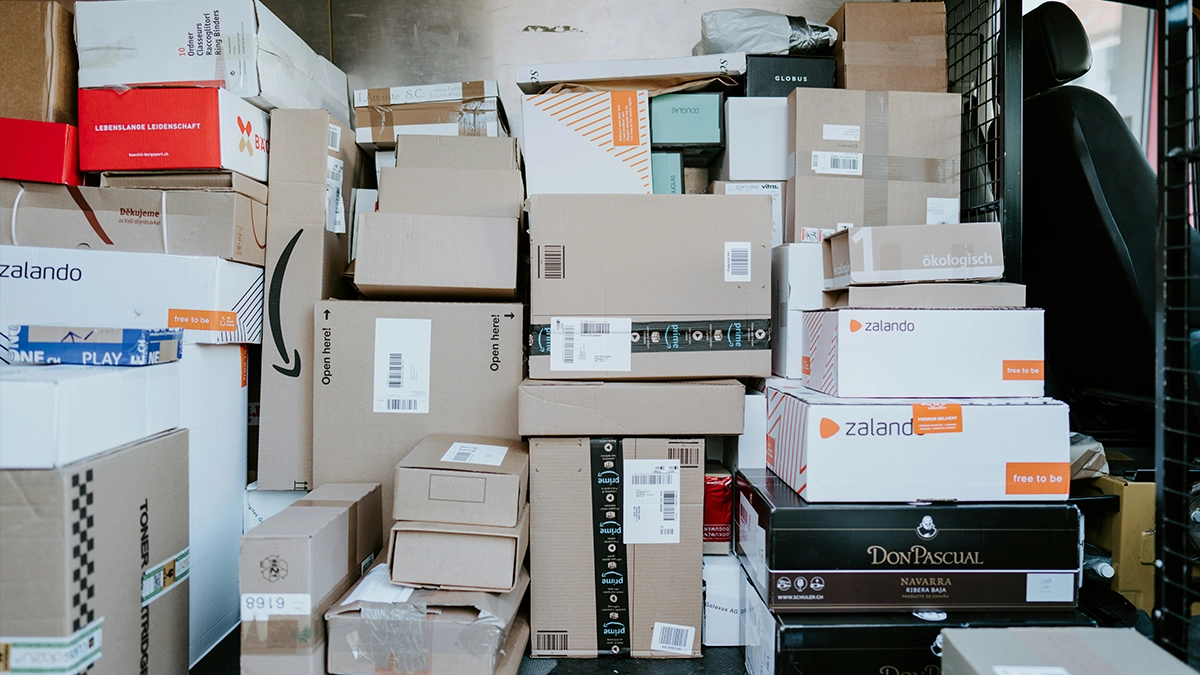
Multidrop delivery means collecting parcels from one depot and delivering to many addresses along a set route. Expect 50–150 stops per day, short trips and tight time windows. Common networks include Amazon, DPD, Evri and Yodel. This style suits urban areas where parcel density is high and routes can be optimised.
- What to expect: fast-paced work, strict ETAs, local routes, frequent loading/unloading.
- Day rate: typically £100–£160 depending on area, volume and performance.
- Pros: steady flow of work, quick to start earning, lower daily mileage.
- Cons: physically demanding, long days in peak season, less flexibility.
What Is A-B Courier Work?
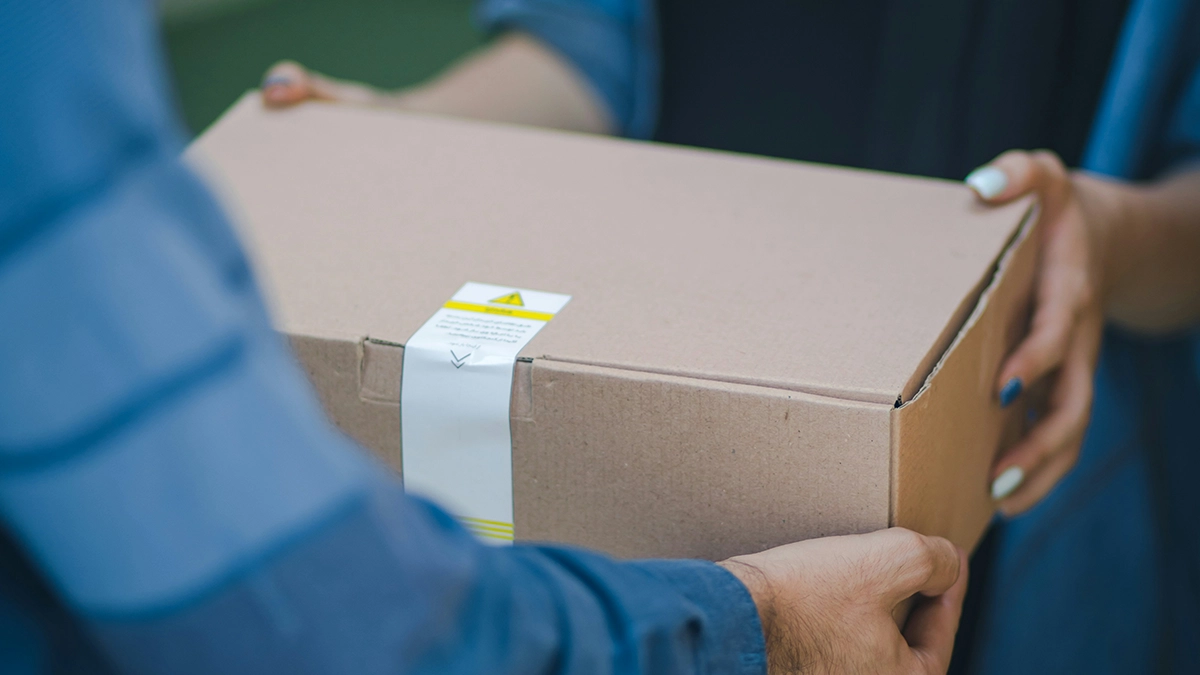
A-B delivery involves picking up at one location and delivering directly to another. Jobs are often urgent, high-value or time-sensitive for logistics firms, corporate accounts, manufacturers and legal services. You’ll complete fewer stops but cover more distance, often nationwide.
- What to expect: longer drives, flexible routing, real-time dispatching.
- Day rate: generally £200–£400 depending on distance, van size and client quality.
- Pros: higher pay per job, less stop-start pressure, good for motorway miles.
- Cons: more fuel spend, potential dead miles between bookings, variable demand.
Local vs Long-Distance at a Glance
| Type | Typical Mileage | Best For | Average Day Rate |
|---|---|---|---|
| Local / Multidrop | 50–120 miles | City routes, parcel networks | £100–£160 per day |
| Long Distance / A-B | 100–300+ miles | National, urgent loads | £200–£400 per day |
How Much Can Couriers Earn?
Once established, many self-employed UK couriers earn £600–£1,200 per week. Top performers running A-B work, operating larger vehicles or managing subcontractors can exceed £100k+ per year. Actual income depends on:
- Work type (multidrop vs A-B)
- Vehicle class (small van, LWB, Luton)
- Location and client base
- Hours, efficiency and back-loading
Which Model Should You Choose?
Choose multidrop if you want predictable volume, local routes and a faster path to consistent earnings. Choose A-B if you prefer longer drives, higher margins per job and the flexibility to build direct client relationships. Many couriers blend both: start with networked multidrop to build cash flow, then add A-B work for higher-value days.
Next Steps
If you’re serious about launching or scaling, the Become a Courier course shows you how to set up correctly, win better-paying work, optimise routes and fuel, and scale beyond £100k with proven systems and support. Use code 15OFF for a limited-time 15% discount.