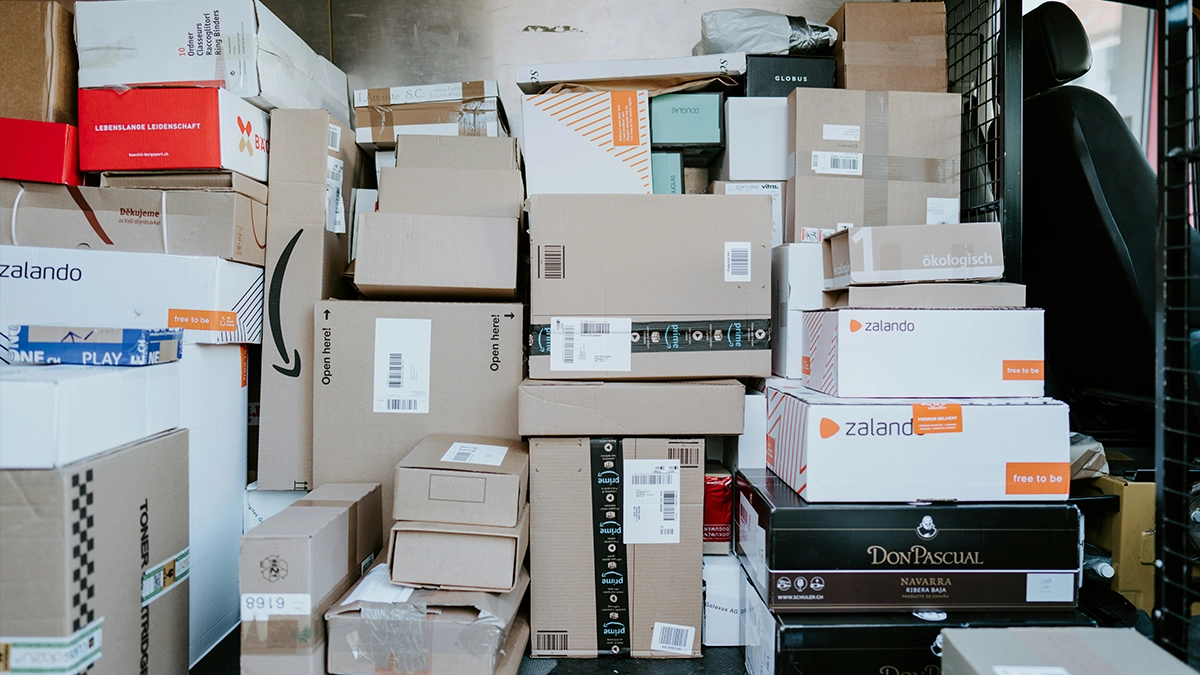
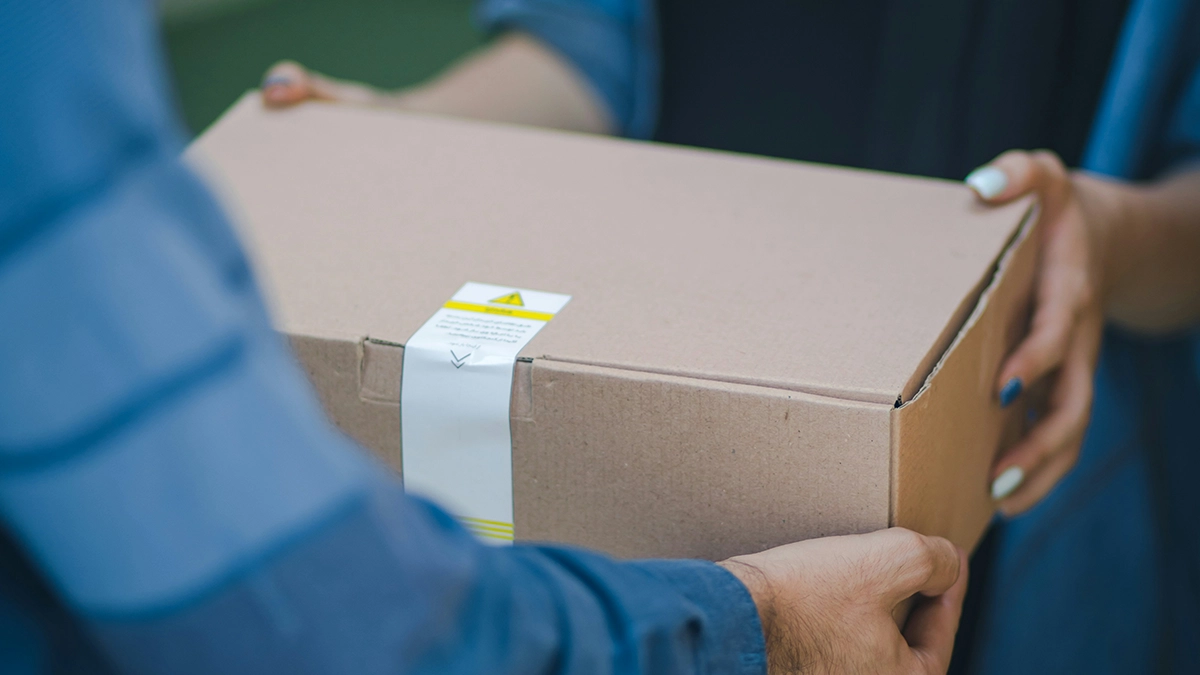
1. What Does Being a Self-Employed Courier Mean?
As a self-employed courier, you work for yourself — not as an employee. You take on jobs for delivery companies, apps, or private clients, and you’re responsible for your own taxes, expenses, and insurance.
It’s a flexible setup that lets you earn more based on how efficiently you work. You decide when and where to work, giving you complete control over your schedule and income.
2. Step 1 — Register as Self-Employed
Before you start earning, you’ll need to register with HMRC as a self-employed sole trader. It’s free and takes only a few minutes online.
Once registered, you’ll receive a Unique Taxpayer Reference (UTR) number, which you’ll use to file a Self-Assessment tax return each year. Keep clear records of your income and expenses throughout the year to make this process simple.
If you plan to grow into a bigger courier business later, you can register as a limited company — but most start as sole traders.
3. Step 2 — Get the Right Vehicle
Your vehicle determines what kind of courier work you can take on:
- Car: Great for local or same-day delivery work.
- Small Van: Ideal for multi-drop parcel routes.
- Large Van: Best for long-distance or bulk deliveries.
Make sure your vehicle is reliable, clean, and fuel-efficient. Keep maintenance and MOTs up to date — downtime means lost income.
4. Step 3 — Get Courier Insurance
You can’t start delivering legally without proper insurance. Standard vehicle insurance doesn’t cover commercial use, so you’ll need:
- Hire & Reward insurance: Required for anyone delivering goods for payment.
- Goods in Transit insurance: Covers items you carry if they’re lost, stolen, or damaged.
- Public Liability insurance: Protects you if you cause injury or property damage while working.
Many insurers now offer app-based or pay-as-you-go policies, ideal for new couriers starting part-time.
5. Step 4 — Find Your First Courier Jobs
There are two main routes to finding courier work:
- Delivery platforms: Apps like Amazon Flex, Gophr, Evri, and Yodel let you pick jobs directly from your phone.
- Direct clients: Local businesses often need regular deliveries — florists,