1. What Is Multidrop Courier Work?
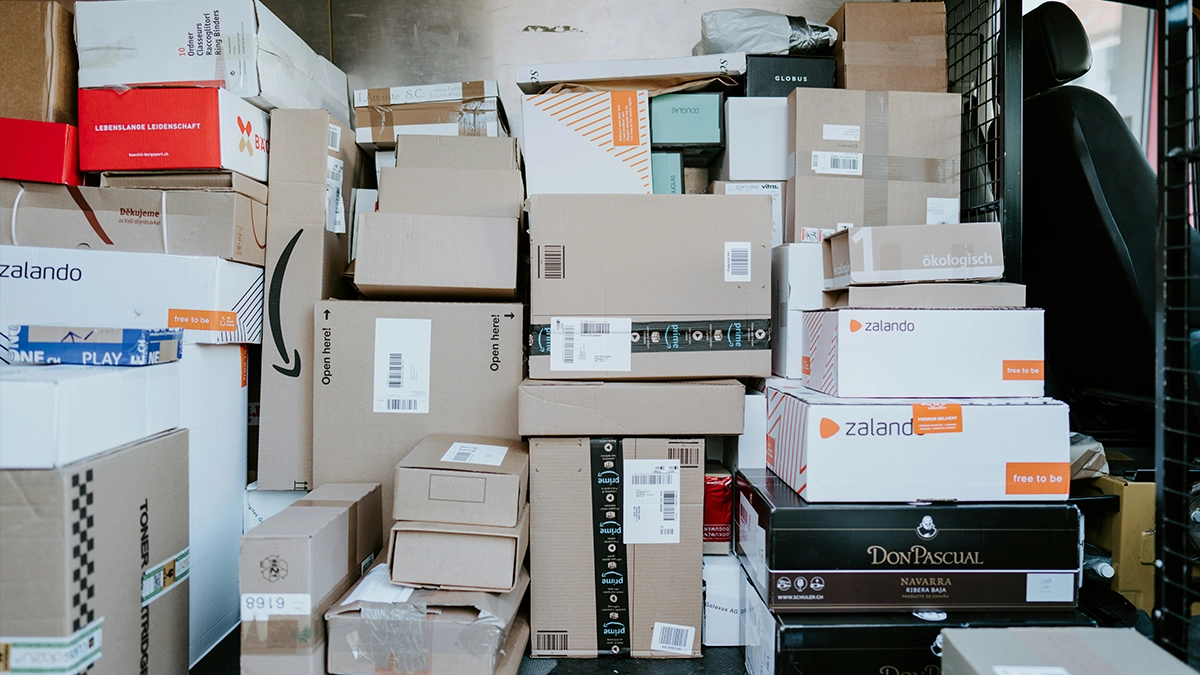
Multidrop courier work involves delivering a high volume of parcels across a defined route. Drivers typically complete between 50 and 150 drops per day.
This type of work is common with companies like Amazon, DPD, Evri, and Yodel. Routes are often dense, with short distances between stops, which helps maximise volume.
2. The Pros and Cons of Multidrop
Multidrop offers predictable work and consistent pay. You know your route, your workload, and roughly how long the day will take.
However, it is physically demanding. Tight delivery windows, heavy parcels, and long days can lead to fatigue if not managed properly.
3. What Is A-to-B Courier Work?
A-to-B courier work involves collecting from one location and delivering to another. Jobs are often urgent, time-sensitive, or high value.
This work includes same-day deliveries, medical couriers, and long-distance transport. There are fewer stops, but more driving.
4. Earnings and Mileage Differences
Multidrop typically pays a fixed daily rate. A-to-B work often pays per job or per mile, which can result in higher single-job earnings.
However, A-to-B work can involve empty return journeys, which must be factored into profitability.
5. Which Model Suits You Best?
Multidrop suits drivers who prefer routine, local routes, and consistent volume. A-to-B suits drivers who value flexibility, higher per-job pay, and longer-distance driving.
6. Why Most High-Earning Couriers Combine Both
Many successful couriers use multidrop for baseline income and A-to-B work for higher-margin opportunities. This hybrid approach balances stability with upside.