1. The Main Difference Between Van and Car Delivery Jobs
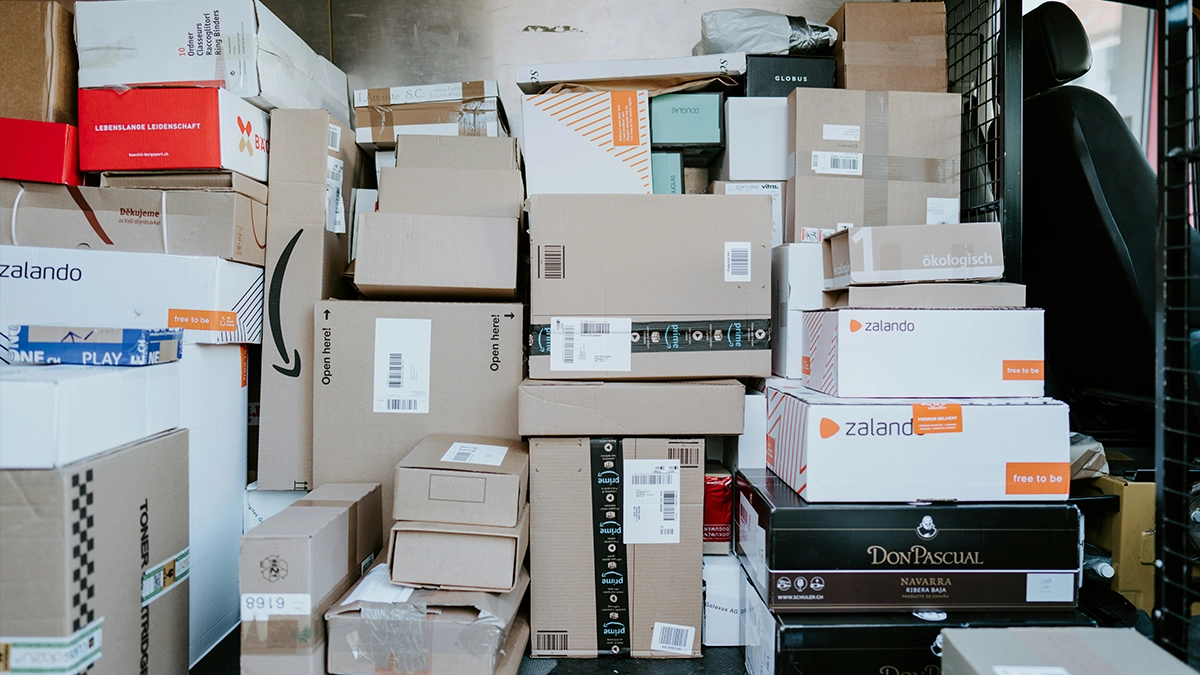
Both vans and cars can be used for delivery work, but they typically serve different purposes. Cars are better for short-distance and fast-turnaround jobs (like food or small parcel delivery), while vans are built for volume — ideal for multi-drop courier routes and long-distance work.
Your vehicle choice will affect your income, running costs, and the kind of companies or apps you can work with.
2. Earnings Potential
Generally, van delivery jobs pay more than car-based roles because they handle larger loads and longer routes. Here’s a quick comparison:
| Vehicle Type | Typical Daily Earnings | Job Type |
|---|---|---|
| Car | £80–£130 | Food or small parcel deliveries |
| Small Van | £120–£160 | Local multi-drop courier routes |
| Large Van | £180–£250 | Long-distance and same-day deliveries |
While vans earn more per day, they also come with higher fuel and maintenance costs — so your net profit depends on how efficiently you manage expenses.
3. Upfront and Running Costs
Cars are cheaper to buy, insure, and maintain. If you already own a reliable car, it’s the fastest way to start delivering. Vans, on the other hand, require more investment upfront but can handle more volume and heavier loads.
- Car setup cost: Minimal — just courier insurance and basic gear.
- Van setup cost: Higher — may include vehicle finance, specialist insurance, and maintenance.
If you’re testing courier work for the first time, start with a car. Once you’re confident, you can upgrade to a van as you take on more consistent routes.
4. Flexibility and Work-Life Balance
Cars win on flexibility. They’re ideal for part-time, weekend, or evening work — especially on platforms like Amazon Flex, Uber Eats, or Deliveroo. You can easily fit deliveries around another job or family commitments.
Vans, however, offer the potential for full-time income. Multi-drop courier jobs through DPD, Yodel, or Evri usually involve longer hours and fixed routes, but they deliver more stability.
If you want maximum freedom, a car-based setup is better. If you want consistent, predictable earnings, a van might be the smarter long-term investment.
5. Type of Work Available
The kind of deliveries you can accept depends heavily on your vehicle size:
- Car: Food delivery, same-day small parcels, pharmacy or document runs.
- Small Van: